 YiRadar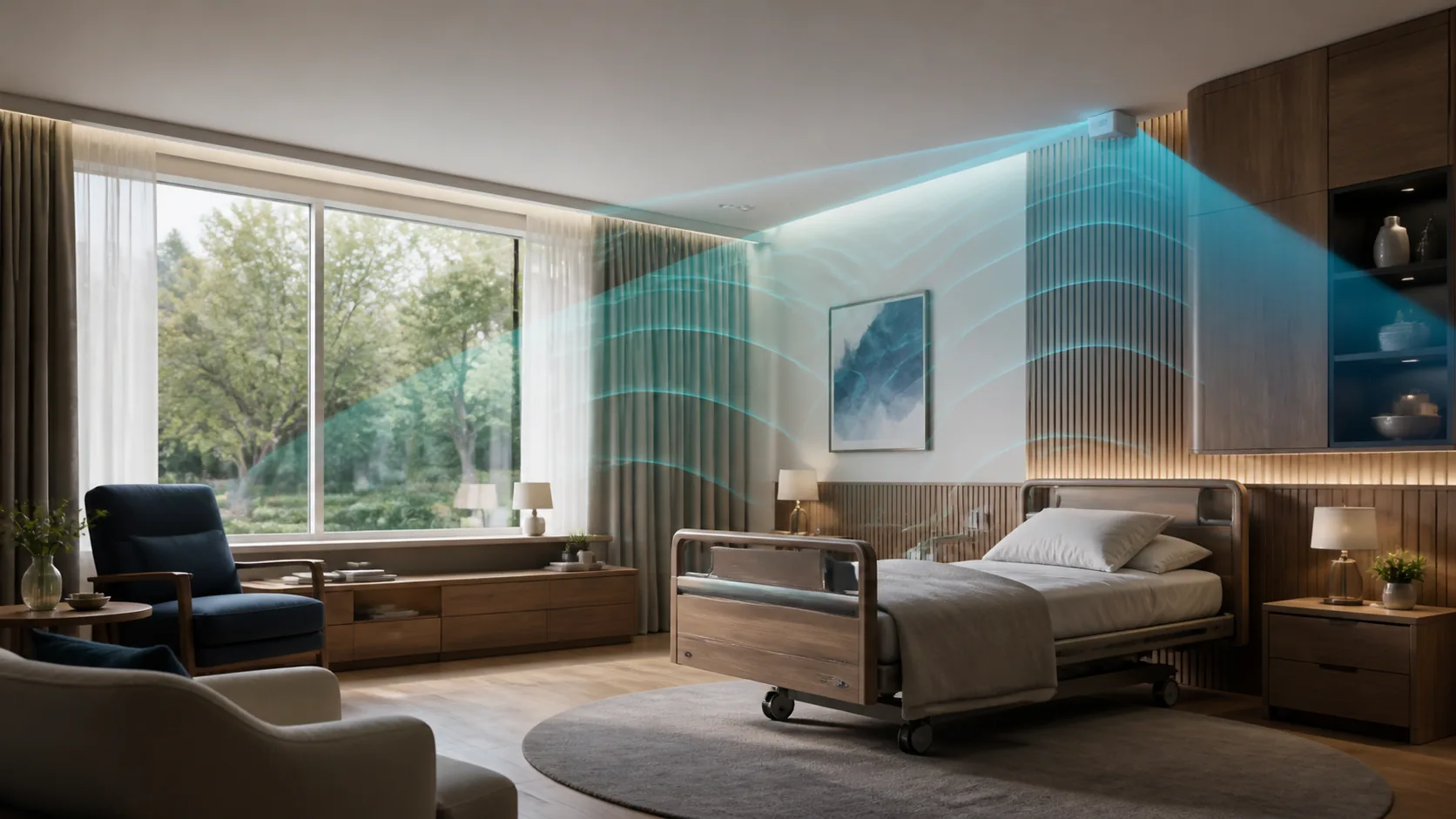
60 GHz Fall Detection and Presence Radar Module
60 GHz radar module for occupancy monitoring, multi-person fall monitoring, and trajectory tracking.
Care integration
Define privacy, alarm routing, installation, validation, and the limits of the surrounding care workflow before integration.

Configuration candidates
Final selection requires configuration, enclosure, installation, firmware, and project-condition review.
60 GHz radar module for occupancy monitoring, multi-person fall monitoring, and trajectory tracking.
Non-contact millimeter-wave monitoring device for bed presence, respiration, heartbeat, movement, and sleep analysis.
Non-contact millimeter-wave safety monitor for occupancy, multi-person fall detection, and trajectory tracking.
No product matches the current filters. Contact YiRadar for a configuration review.
Useful first brief
Decision questions
These answers define the review boundary. They do not replace validation of the final module and installed system.
No. A radar configuration is only one sensing input. Clinical suitability, emergency response, alarm routing, privacy practices, care workflow, and final validation belong to the complete system and its responsible parties.
Bed position, room partitions, doors, fans, other moving objects, mounting geometry, and desired sensing zone can change the installation outcome. These conditions should be supplied before configuration review.
Define the intended signal or event, the non-target conditions that must be separated, the intended escalation workflow, and a controlled installation test. Do not infer care or safety suitability from a module description alone.