 YiRadar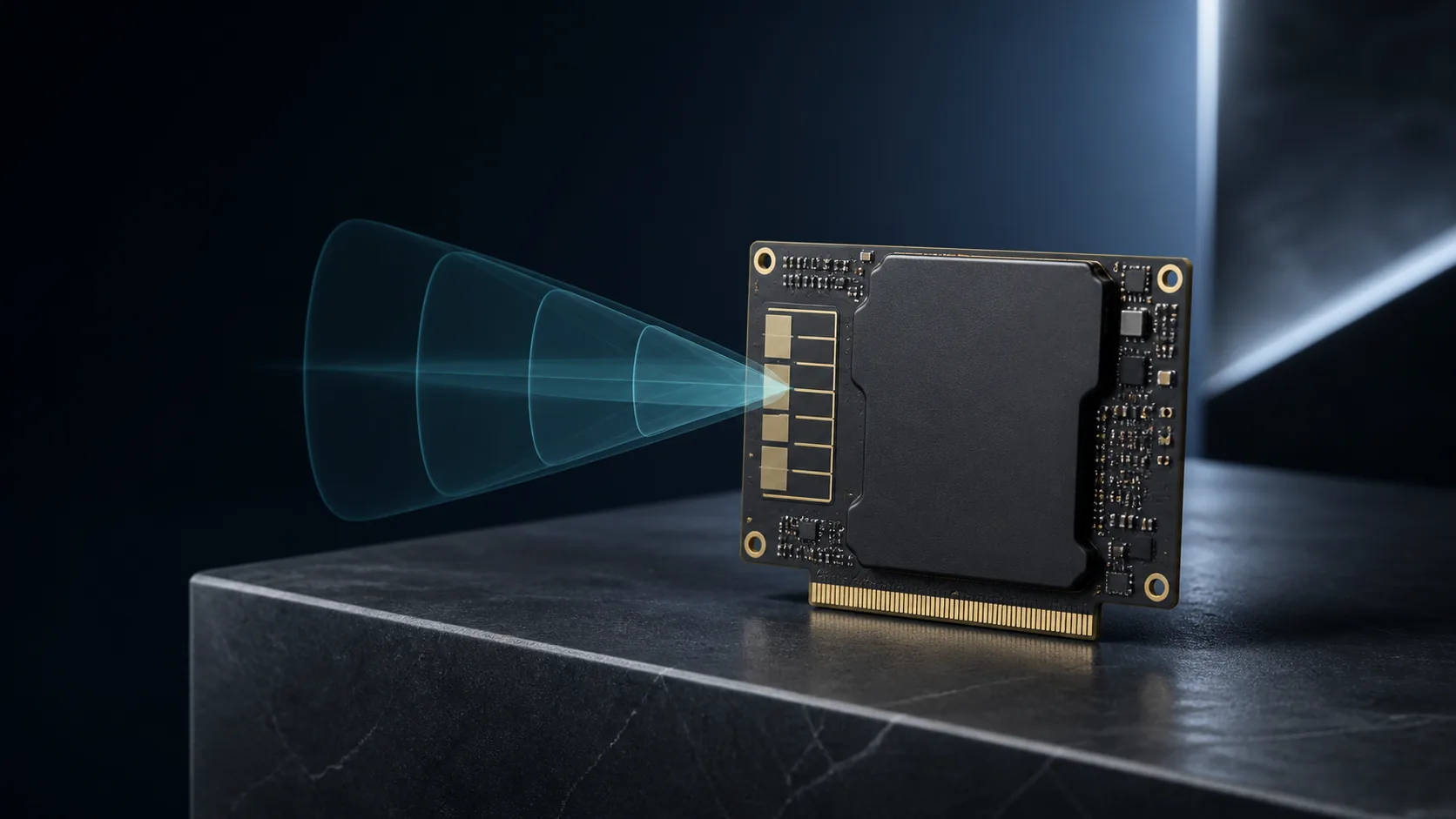
24 GHz 2T4R Multi-Target Tracking Radar Module
Cascaded 2T4R radar module for multi-target track detection and zone positioning.
Module selection
Define the target behaviour, mounting geometry, enclosure, interface, and validation path before selecting a module.

Configuration candidates
Final selection requires configuration, enclosure, installation, firmware, and project-condition review.
Cascaded 2T4R radar module for multi-target track detection and zone positioning.
Compact module for detecting moving, micro-motion, and stationary people at short range.
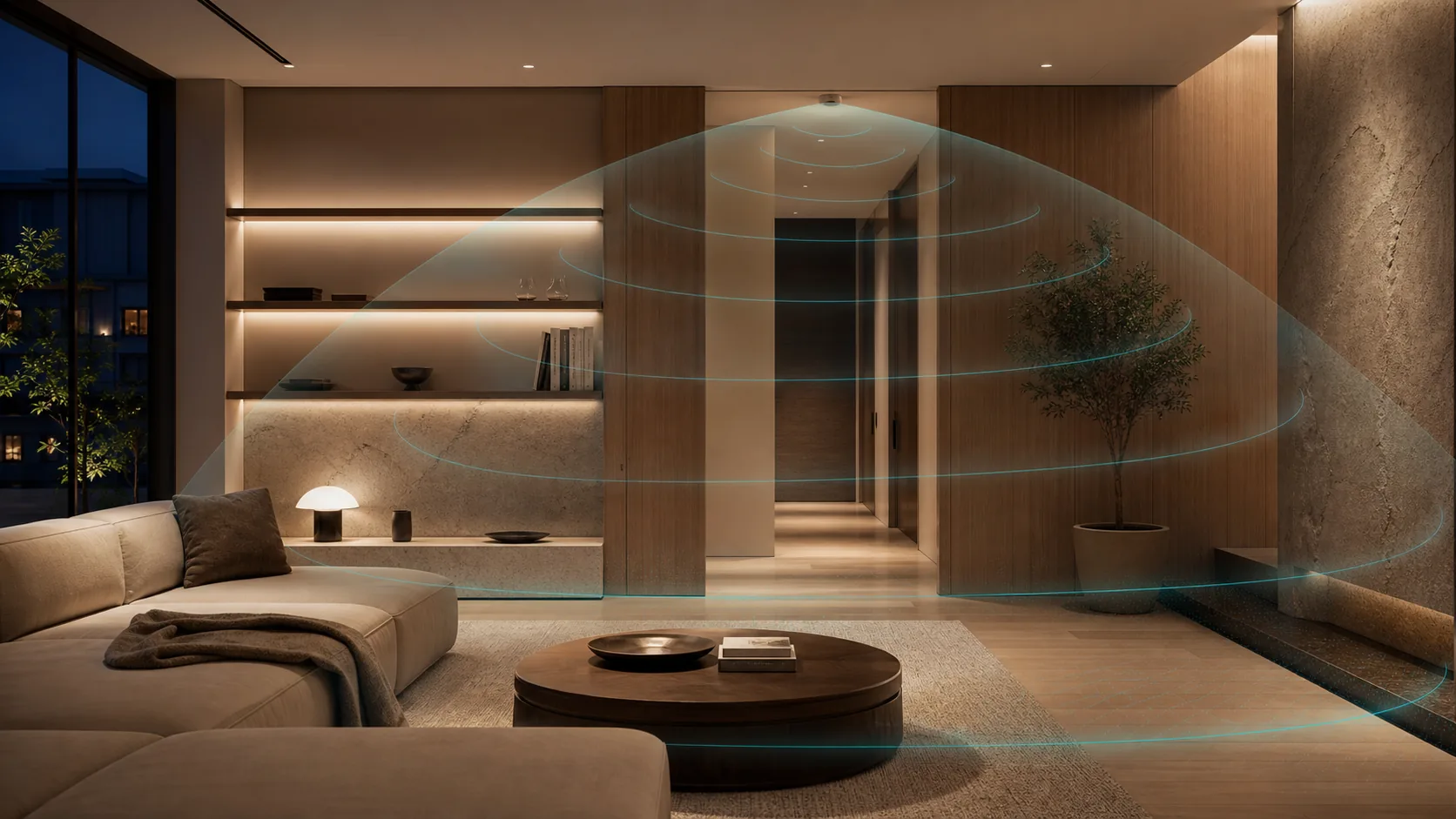
24 GHz FMCW module for detecting stationary, micro-motion, and moving people in HVAC presence-control scenarios.
24 GHz FMCW radar module for occupancy distance and direction information in HVAC zoning scenarios.
Low-power 24 GHz FMCW trigger module for smart-door and door-lock wake-up scenarios.
Compact radar module for multi-target tracking, distance sensing, and wide-angle coverage in smart environments.
24 GHz FMCW module for proximity and presence sensing in smart sanitary equipment.
24 GHz FMCW module for detecting people around smart displays and television equipment.
Compact 5.8 GHz CW radar module for motion-trigger applications in lighting, IoT, and smart-home equipment.
A 5.8 GHz radar module configuration available for feasibility and engineering review before a project-specific data package is released.
60 GHz FMCW MIMO module for indoor positioning and tracking of multiple people.
60 GHz FMCW radar module for gesture and presence sensing in smart sanitary equipment.
60 GHz FMCW module for presence detection and control logic in urinal applications.
79 GHz FMCW MIMO module for detecting people near automatic doors and supporting anti-pinch control logic.
77 GHz FMCW module for people-presence detection in smart sanitary equipment.
79 GHz FMCW module for detecting stationary, micro-motion, and moving people in hospitality energy-control scenarios.
79 GHz FMCW module for non-contact liquid-level measurement in rivers, reservoirs, and tanks.
79 GHz FMCW module for longer-range non-contact liquid-level measurement.
79 GHz FMCW module for urinal presence detection and flush-control logic.
No product matches the current filters. Contact YiRadar for a configuration review.
Useful first brief
Decision questions
These answers define the review boundary. They do not replace validation of the final module and installed system.
Define the required system response first. A light wake-up, HVAC setback, display event, access response, and occupancy record can need different sensing behaviour, timing, and host logic. A frequency label or catalog number alone cannot settle that question.
No. A candidate module is a starting point. The enclosure, antenna orientation, mounting surface, room geometry, background movement, firmware, and host logic must be reviewed and validated in the intended installation.
A short scene drawing or photographs, the intended mounting point, target zone, power and interface constraints, and the desired behaviour make the initial review materially more useful.